Jesus said, "And what I say to you, I say to all, Watch!” - Mark 13:37
THE ANTICHRIST
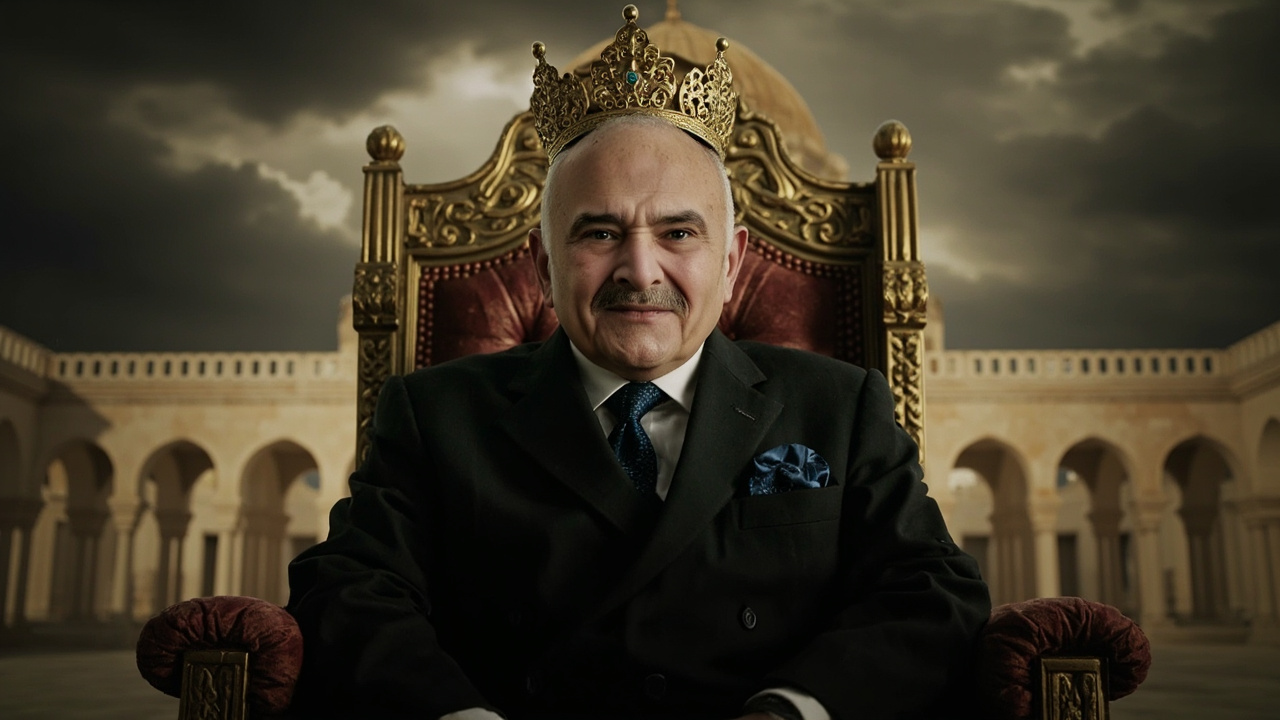
Prince Hassan bin talal of jordan
What Does the Bible Say About The Antichrist?
Before we identify any modern figure, we must let Scripture define the Antichrist and what it says about who he is, where he is from, and what he will do. The Revelation Watchman approaches this topic with a high view of biblical authority, current and historical references, and a commitment to context. Use the accordions below to walk through key passages, then review the synthesized characteristics that emerge from the biblical data, and see for yourself the likly candidate who scripture is pointing to as the man who will become The Antichrist.
Key Scripture About The Antichrist
The 1st Son Of Perdition & 2nd Son Of Perdition
Scripture provides one of the strongest clues regarding the Antichrist’s identity. In 2 Thessalonians 2:3, Paul calls him “the son of perdition.” Only one other person in Scripture is given that same title—Judas Iscariot (John 17:12), the visible and public disciple who betrayed Jesus. Why is this significant? The parallel suggests more than coincidence. Judas was described as the “son of perdition” even before Satan entered him (Luke 22:3), yet his betrayal intensified after that moment-when satan enter his body. The distinguishing similarity between Judas and the Antichrist appears to be satanic indwelling. From this comparison, we can interpret that the Antichrist, like Judas, will be a visible public figure who fulfills prophecy both before and after Satan fully possesses him.
1 John 2:18–22 — The spirit and many antichrists
The apostle John introduces the term "antichrist" and notes that "many antichrists" have already come, signaling the last hour. Here, Antichrist is both a future climactic figure and a present spiritual opposition to Christ. The defining mark is denial that Jesus is the Christ and a denial of the Father and the Son.
2 Thessalonians 2:3–12 — The man of lawlessness
Paul warns of a coming apostasy and the revealing of the "man of lawlessness" who exalts himself above every so-called god, takes his seat in the temple of God, and proclaims himself to be God. This figure is restrained for a time, then revealed and destroyed by the appearing of Christ. His coming is accompanied by satanic power, signs, and false wonders.
Daniel 7–9 — The little horn and the prince who is to come
Daniel 7 refers to the Antichrist figure as a “little horn.” Throughout Scripture, horns symbolize kings or ruling authority (Daniel 7:24; Revelation 17:12; 1 Samuel 2:10). If a horn represents a king, then a “little horn” may reasonably be understood as a “little king.” The word little in ordinary language describes size or stature — such as a little chair or a little tree. Therefore, one interpretive possibility is that this imagery could describe a ruler who is physically small in stature — a short king
Revelation 13 — The beast from the earth
John sees a beast rising out of the earth with global authority, empowered by the dragon (Satan). The world marvels and follows the beast, who blasphemes God and wages war on the saints. The beast is associated with economic control, compulsory allegiance, and the infamous number 666.
Daniel 11:41-42 — The Antichrist Is From Jordan
Daniel 11:40–41 says that “at the time of the end” a ruler invades the Middle East, yet Edom, Moab, and Ammon escape. These regions correspond to modern-day Jordan. This raises a key question: why would a conqueror sweeping the region leave Jordan untouched? Is it because of a strategic alliance—or even a connection to that territory? It could be because The Conqueror is Jordanian-which explains why you don't conquer your own homeland.
Revelation 6:1–2 — “A Crown Was Given to Him”
Revelation 6:2 describes a rider who is given a crown before going out to conquer. In biblical symbolism, a crown often represents authority or rulership. This imagery may imply leadership connected to royal or governing power, creating a picture of a figure who could emerge from a monarch nation. So the prophecy "a crown was given to him" looks to be depicting a Prince who becomes a King-in other words this is a coronation event.
About Prince Hassan Bin Talal Of Jordan
Hashemite Royal Lineage
Prince Hassan bin Talal of Jordan is a senior member of the Hashemite royal family of Jordan and served as Crown Prince from 1965 to 1999. The Hashemites trace their lineage to the Prophet Muhammad, a distinction that carries historical and religious significance in the Islamic world, along with ruling the Middle East, The Hashemite Kingdom of Arabia, after the fall of the Ottoman Empire, that included Iraq, Syria, Jordan, Hajaz.
42nd Descendant of the Prophet Muhammad
Through the Hashemite line, Prince Hassan is recognized as a descendant of the Prophet Muhammad. This ancestral connection has long formed part of the Hashemite claim to religious legitimacy and leadership within the broader Muslim community. Prince Hassan Bin Talal is the 42nd descendant of the Prophet Mohammed, just as Jesus is the 42nd descendant of the Prophet Abraham (Matthew 1:1-17).
Advocate for Human Dignity
Prince Hassan frequently speaks on themes of human dignity, ethical governance, shared humanity, and interfaith dialogue. His public addresses often emphasize moral responsibility, justice, and the protection of vulnerable populations. Advocates for refugees in the Jordanian region for decades and calls for the regional improvement based on "human dignity". Prince Hassan also wrote and signed the 1994 Jordan-Israel peace treaty and worked with Benjamin Netanyahu, the current Prime Minister of Israel.
Promoter of Interfaith Dialogue
He has been deeply involved in initiatives that encourage dialogue between Muslims, Jews, Christians, and Catholics. His work often centers on fostering cooperation across religious boundaries and reducing sectarian conflict.
International Recognition and Influence
Prince Hassan participates in global forums, advisory councils, and policy discussions related to peace, governance, and regional stability. He is widely regarded in diplomatic circles as an experienced statesman with international respect. He served in academic, humanitarian, and interfaith roles, so the number of visits is substantial. A general overview of the types of nations and regions where he has participated in official engagements, conferences, or diplomatic forums: Middle East (Jordan, Saudi Arabia, UAE, Qatar, Lebanon, Palestine, Israel, Egypt). Europe (United Kingdom, France, Germany, Italy, Spain, Switzerland, Belgium). North America (United States, Canada). Asia (Japan, Indonesia) International institutions (United Nations, NATO Military Academy). Vatican-related interfaith engagements
The Pope & The Prince Partnership
Prince Hassan Bin Talal has participated in interfaith dialogue initiatives that included engagement with leaders across religious traditions, including Pope Francis. Both have supported efforts promoting peace, human dignity, interfaith dialogue, and cooperation among Muslims, Catholics, and Christians through conferences, public statements, and global forums focused on coexistence and shared moral responsibility.
1. Historical Events
The Hashemite lineage traces its ancestry to the Prophet Muhammad and played a central role in the Arab Revolt against the Ottoman Empire. Following World War I, British-backed arrangements helped establish the Hashemite Kingdom of Jordan, shaping its modern political and religious influence in the region which gives clarity to understanding end time bible prohpecy events set to happen in the Middle East-specifically Israel.
2. Current Events
Jordan and Prince Hassan Bin Talal of Jordan, remains a key diplomatic voice in Middle Eastern affairs and global hummuanian suffering, particularly regarding arab refugees from recent wars, regional stability, and the prophetic 3rd Temple. Public speeches and policy discussions involving Hashemite leadership often emphasize coexistence, custodianship of holy sites, and multilateral engagement.
3. Israel and Jordan Historical Relationship
Jordan signed a peace treaty with Israel in 1994, establishing formal diplomatic ties. The relationship includes security cooperation and agreements regarding Jerusalem’s Islamic holy sites, where Jordan maintains custodial responsibilities under long-standing arrangements.
4. Post Ottaman Empire-The Rise Of The Hashemite Kingdom
After the collapse of the Ottoman Empire, the Hashemite family gained regional leadership roles. The Emirate of Transjordan was established under British oversight, eventually becoming the Hashemite Kingdom of Jordan, consolidating political authority and religious lineage claims.
5. Articles and Interview Commentary
Prince Hassan has written and spoken extensively on interfaith dialogue, human dignity, governance, and regional cooperation. Interviews and published commentary often highlight his emphasis on moral responsibility, shared Abrahamic heritage, and global engagement.
6. Biblical Parallels Compared To Prince Hassan
Some prophecy students compare biblical descriptions of end-time leadership with modern geopolitical figures. These comparisons are interpretive and seek to analyze Scripture alongside contemporary realities, encouraging readers to examine biblical texts carefully before drawing conclusions.
Prophetic Events To Watch For
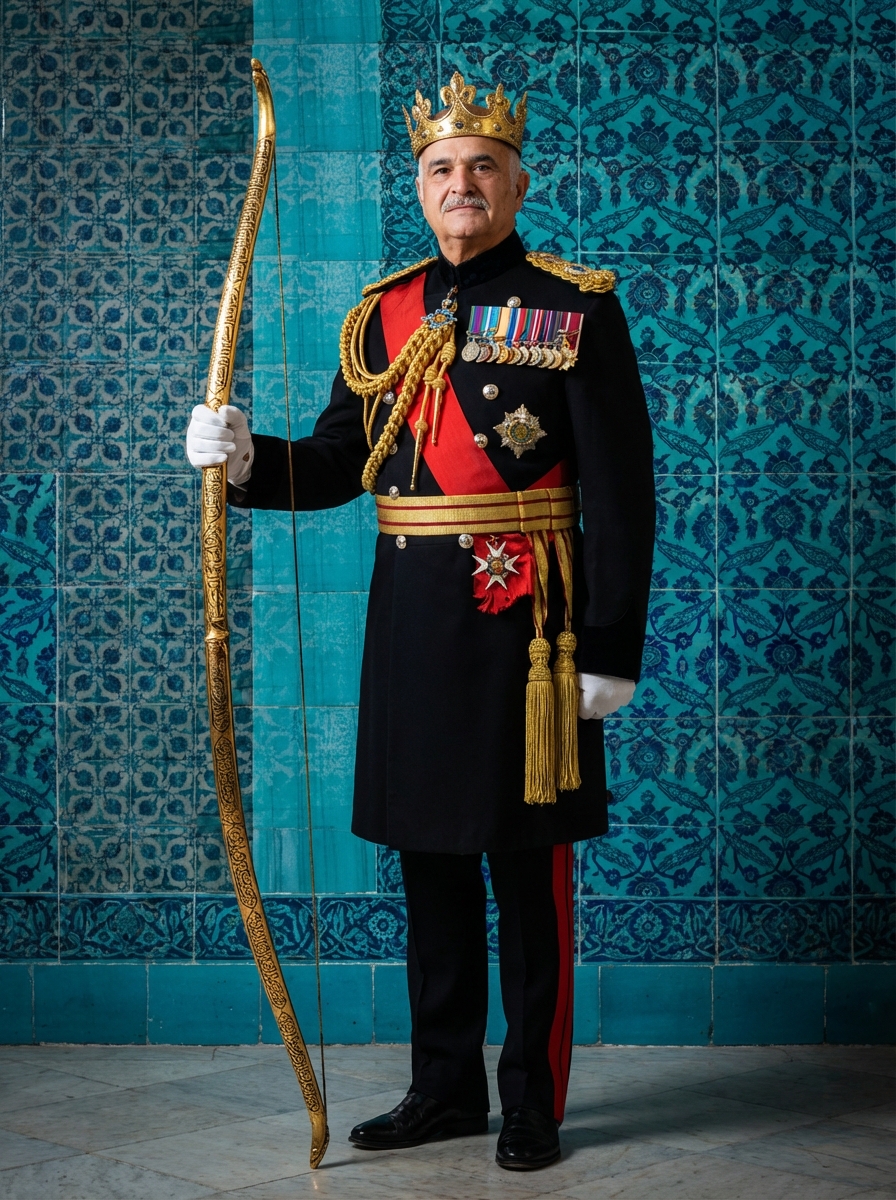
"He who sat on it had a bow"
Revelation 6:2-The 1st Seal
2 And I looked, and behold, a white horse. He who sat on it had a bow; and a crown was given to him, and he went out conquering and to conquer.
Hosea 1:5 refers to "bow of Israel" which could mean The Levant (aka The Middle East) where the Antichrist will conqueror. Or It could be a litteral bow as seen with the Prophet Mohammed's artifacts in Turkey given to the Antichrist.
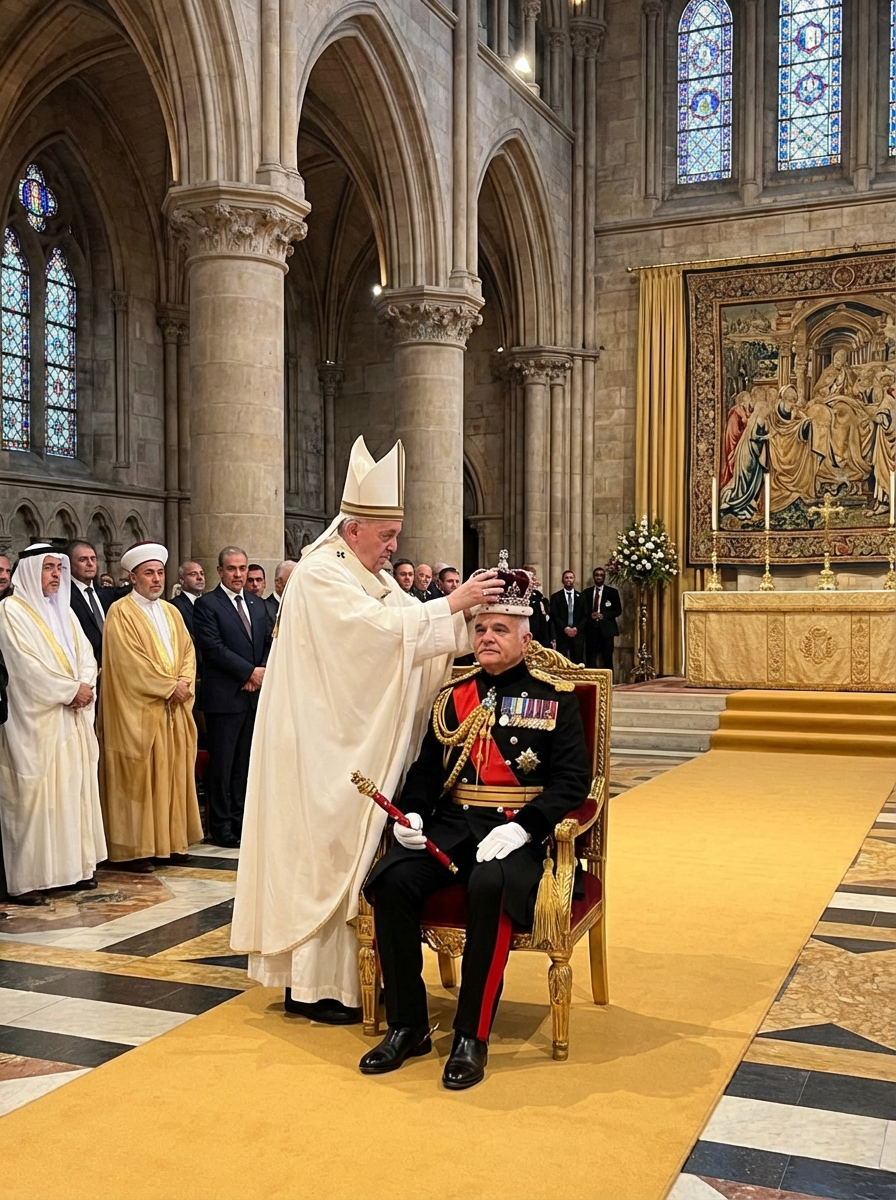
"And A Crown Was Given To Him"
Revelation 6:2-The 1st Seal
2 And I looked, and behold, a white horse. He who sat on it had a bow; and a crown was given to him, and he went out conquering and to conquer.
This prohpecy refers to a corination because only monarchs are given crowns, unlike nations in the West with Prime Ministers and Presidents. Therefore this prophecy suggest we look of a Prince, who will become King where "a crown is given to him." Prince Hassan Bin Talal of Jordan fits this candidacy.
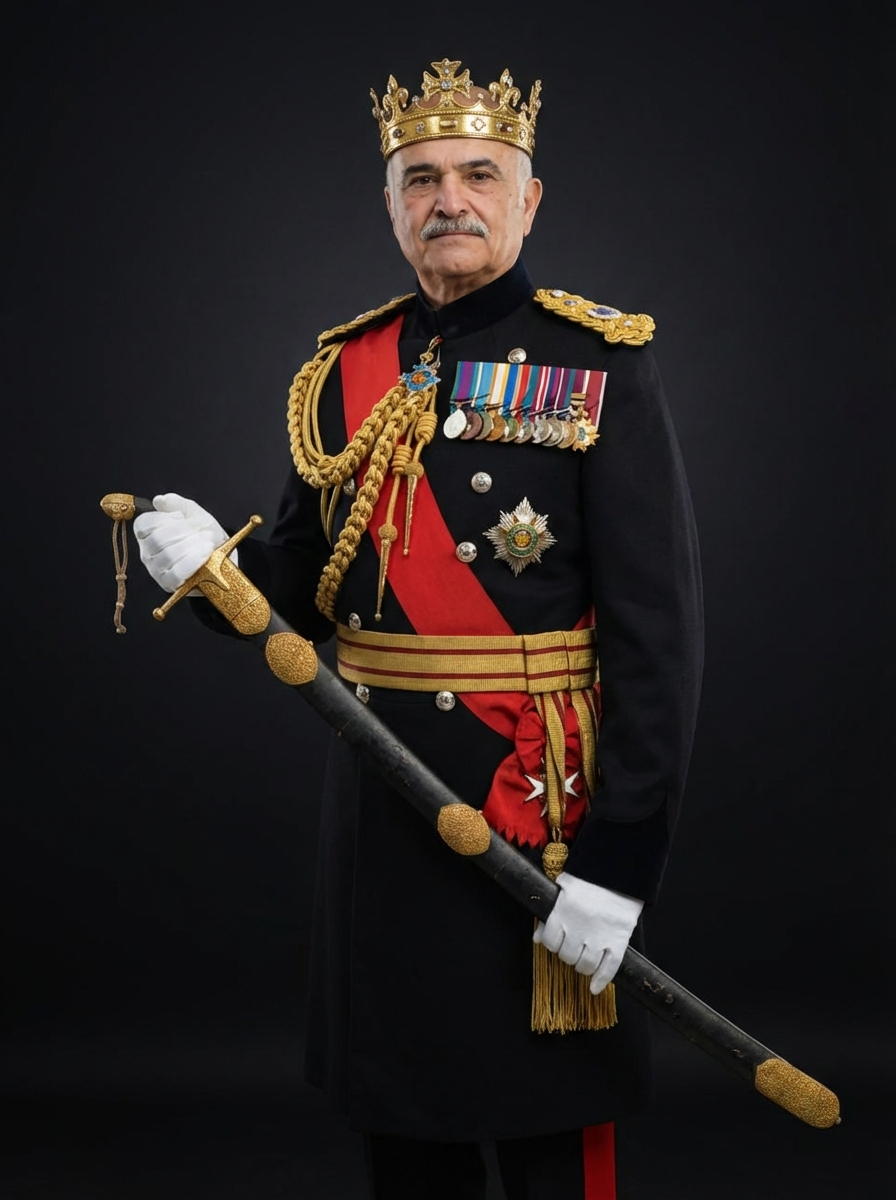
"There Was Given To Him A Great Sword."
Revelation 6:4-The 2nd Seal
4 Another horse, fiery red, went out. And it was granted to the one who sat on it to take peace from the earth, and that people should kill one another; and there was given to him a great sword.
Similar to the bow, another sacred artifact connected to the Prophet Muhammad is preserved in Turkey. If this item were to be entrusted to his descendant, Prince Hassan bin Talal of Jordan, it would be viewed by some as a fulfillment of this prophecy.
POPE FRANCIS RESURRECTION & The Prophetic Timeline To The 3rd Temple
YouTube
May 12, 2026
What if the timeline to the 3rd Temple has already been revealed in Scripture? In this video, we break down a prophetic timeline.
Don't Forget to order my book
6TH Millennium Series - 1st Chronicles
The Falling Away
A Book Authored By West "Watchman" Brooks
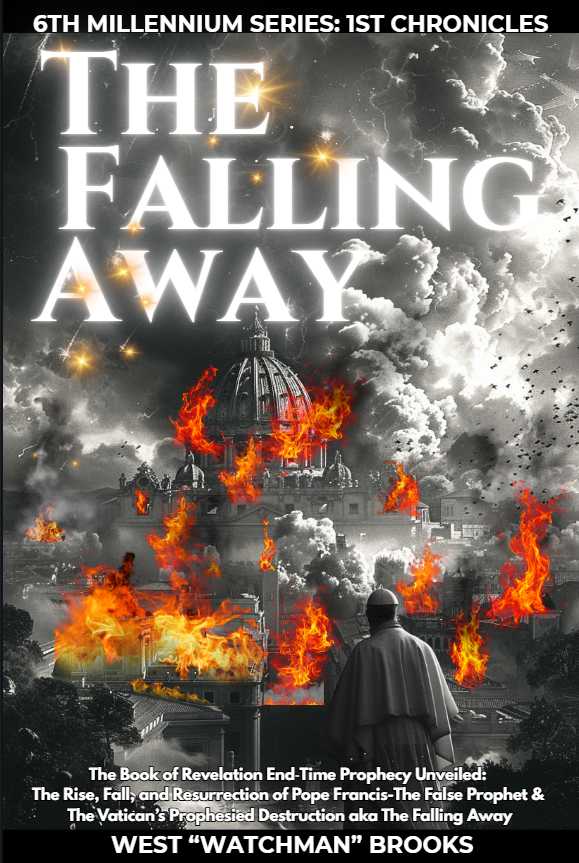

Here's what you get:
Deep Biblical Analysis
Clear explanations of Revelation that connect scripture with real world events.Historical Evidence & Timelines
Discover key events involving the Vatican, world leaders, and prophecy that most churches never discuss.Prophecy Charts & Visual Guides
Easy-to-understand diagrams showing how Revelation 17 may already be unfolding.A New Perspective on “The Falling Away”
Learn why the biblical “falling away” may refer to a prophetic event involving the Vatican.
Reviews
"Wow! This book is beyond informative, with proof in history events backed up with scripture. The way the author wrote this book is an easy read for any Bible prophesy beginner like me. It give the reader the opportunity to to do their own research without being misled. I truly enjoyed this book and I honestly I can't wait for the next book where he will explain who the Anti-Christ can be. It's a must read, study research and preach subject which most churches lack to address. I learn abundance with lots of note taking. I recommend this book 100x over n overall great book to add to your collection!"
"This book is the best book I’ve ever read that explains the book of revelation and connects the Bible to our current times. This book is set out in a logical sequence. The author should be highly praised for his outstanding and exceptional work. It shows his superb knowledge and wisdom in respect to this matter. I can’t wait for his next book to come out. It is definitely a must read."
"I've been studying eschatology and the various interpretations on the book of Revelation for years.
The interpretation of prophecy found in this book, is UNIQUE & extremely interesting. It's also very straightforward and simple to understand. One of the best interpretations I've come across in my studies. I recommend this book to all those who remain unconvinced with the mainstream interpretations. I give it 5 Stars."
Jesus said, "And what I say to you, I say to all: Watch!” - Mark 13:37
The Antichrist Playlist
Watchman Live 3/12/29: Prince Hassan Bin Talal Interview Review
Subscribe For The Latest Videos
Stay up-to-date with all our latest episodes, exclusive updates, and deep dives into the world of bible prophecy. Subscribe now and get notified whenever new content drops—right at your fingertips!
Newsletter

The Revelation Watchman
Support
CUSTOMER CARE
LEGAL
FOLLOW US


Copyright 2026 NDUR Watchman LLC. All Rights Reserved.